
Blog
Wine Country Without the Wedding Clichés
How California Wine Country weddings are reinventing the vineyard aesthetic.
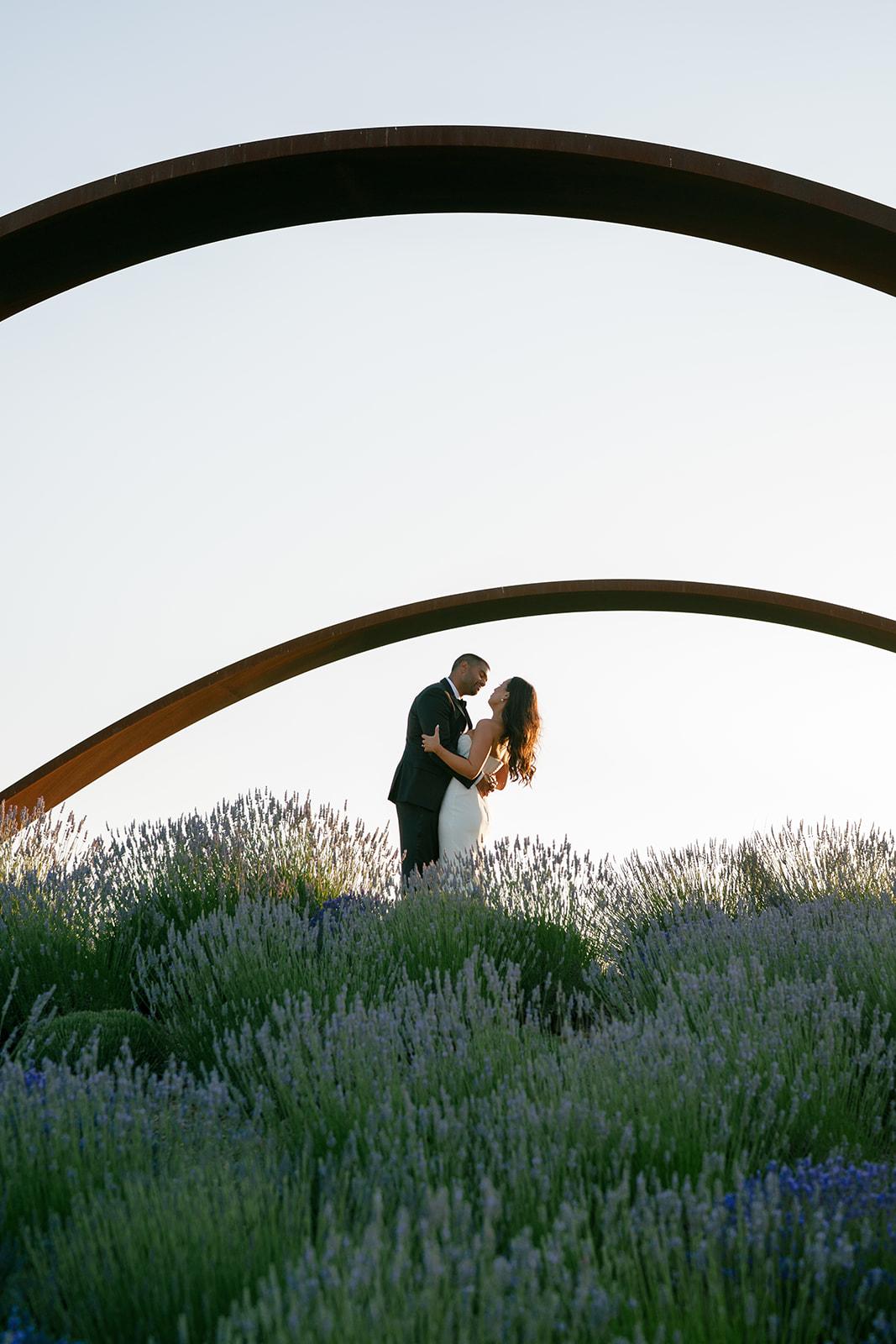
Just when you thought you’d seen your last mason jar, burlap table runner, and wine barrel masquerading as a cocktail table, Wine Country has gone and reinvented itself. And we are absolutely here for it.
For years, the recipe for a California vineyard wedding was fairly predictable. Find a beautiful winery, position the ceremony against the vines, bring in rustic wooden tables, add blush roses, and let Mother Nature do the rest. To be fair, it wasn’t a bad recipe. Golden hills, rambling vineyards, magnificent old oaks, and those impossibly beautiful California sunsets? Hard to compete.
But today’s couples and wedding designers are finding entirely new possibilities in those familiar landscapes. Floral designers are treating trees as living sculptures. Rental companies are introducing furnishings that feel more like pieces from a beautifully curated home. And Wine Country venues are investing in the architecture, amenities, and entertaining spaces that allow weddings to become far more than a pretty party overlooking the vineyard.
The result? A new generation of Wine Country weddings that celebrates the landscape without letting it dictate the design.
A Generation Drinking Less Wine—but Still Falling for Wine Country
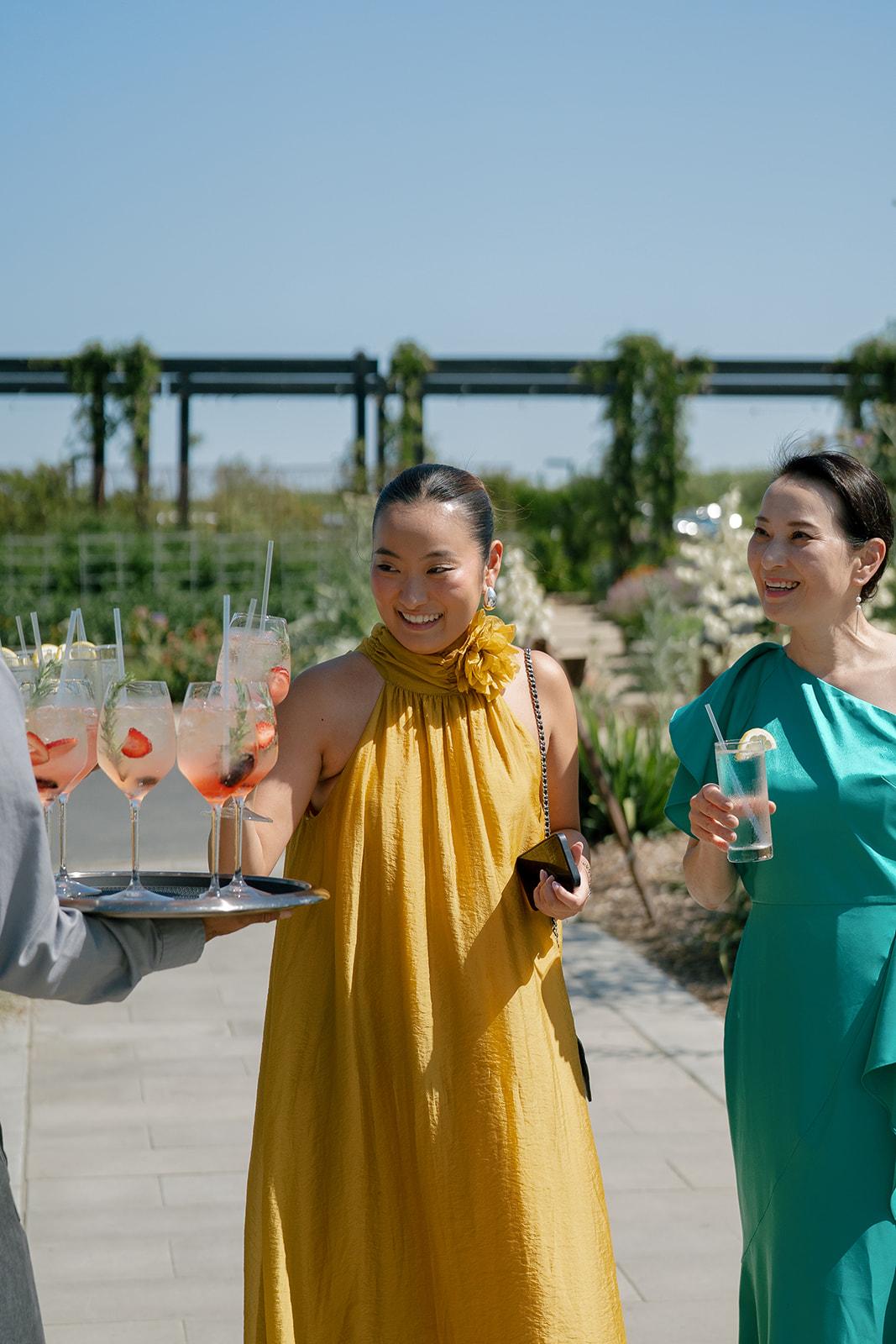
Here’s an interesting little contradiction. Young adults aren’t embracing wine quite the way previous generations did. But that doesn’t necessarily mean they’ve lost their appreciation for the romance of Wine Country.
According to Gallup’s 2025 research, just 50% of Americans ages 18–34 reported drinking alcohol, compared with 58% in 2023. Meanwhile, Silicon Valley Bank’s 2026 State of the U.S. Wine Industry Report describes younger consumers as drinking less and spreading their preferences across a wider variety of beverages. But here’s the thing. You don’t have to know the difference between Cabernet Franc and Cabernet Sauvignon to appreciate a candlelit dinner overlooking a vineyard.
Wine Country’s appeal has always extended well beyond the tasting room. It’s the architecture, the rolling hills, the olive trees, old stone walls, garden terraces, and the opportunity to bring your favorite people together somewhere extraordinarily beautiful. Perhaps younger couples are simply separating the romance of Wine Country from the requirement to be wine enthusiasts. And for wedding designers, that opens up a wonderfully creative opportunity: design a celebration inspired by the property rather than one that constantly reminds everyone they’re at a winery.
From Vineyard Views to Purpose-Designed Wedding Venues
Not so long ago, the landscape itself was often the main attraction. A sweeping vineyard? Wonderful. A lawn large enough for a ceremony? Even better. Somewhere relatively flat to pitch a tent? Practically a luxury. The rest was up to the wedding planner.
Today, properties such as Stanly Ranch in Napa are demonstrating a more architectural approach to outdoor entertaining, with defined event spaces, sophisticated terraces, and thoughtful transitions between ceremony, cocktails, dinner, and dancing. It’s a development couples should pay attention to. A beautiful view might convince you to fall in love with a venue, but the spaces designed around that view determine how comfortably your wedding actually works. And perhaps more importantly, how much of your decorating budget you’ll need to spend making it work.
Stanly Ranch: When Architecture Does Some of the Decorating
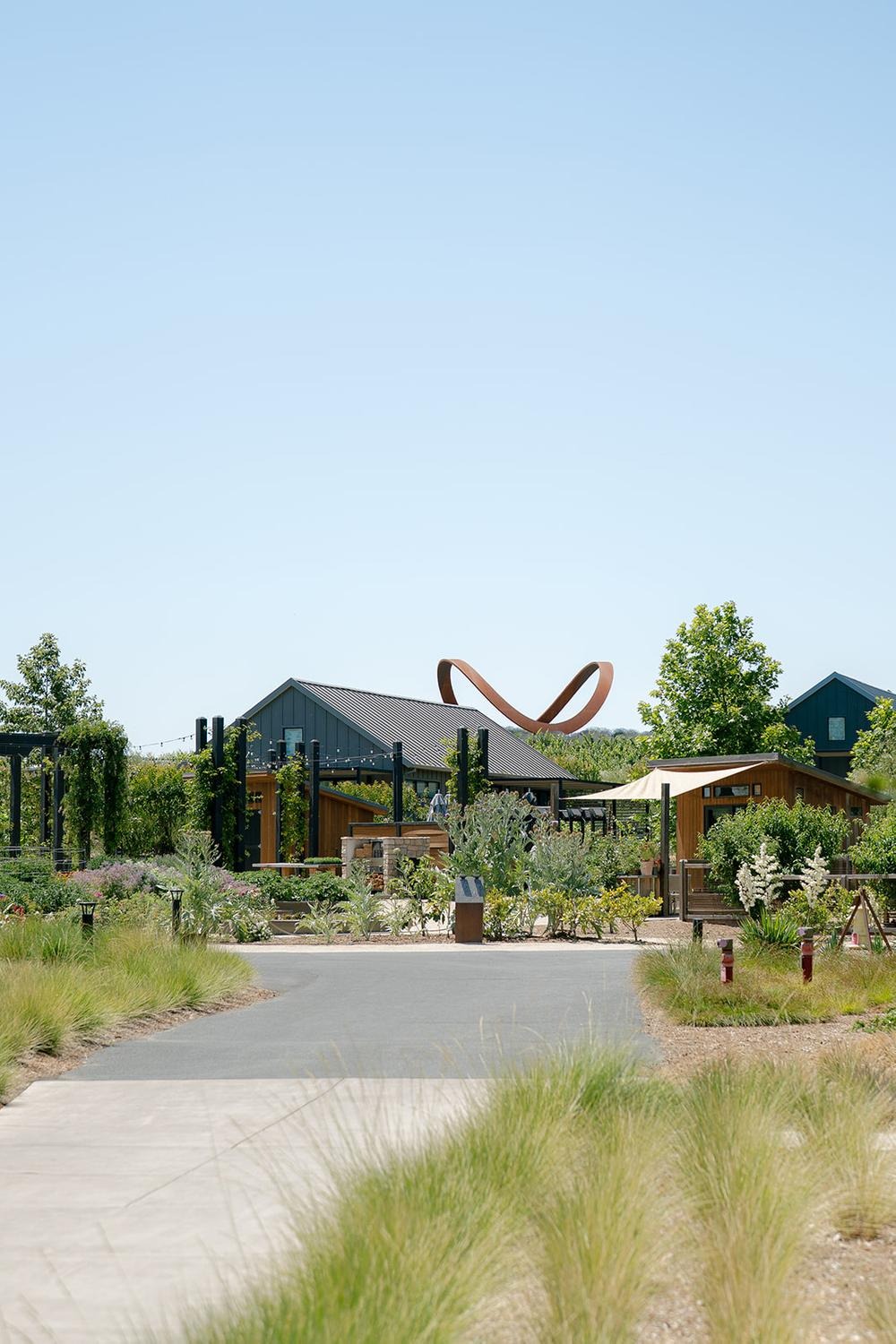
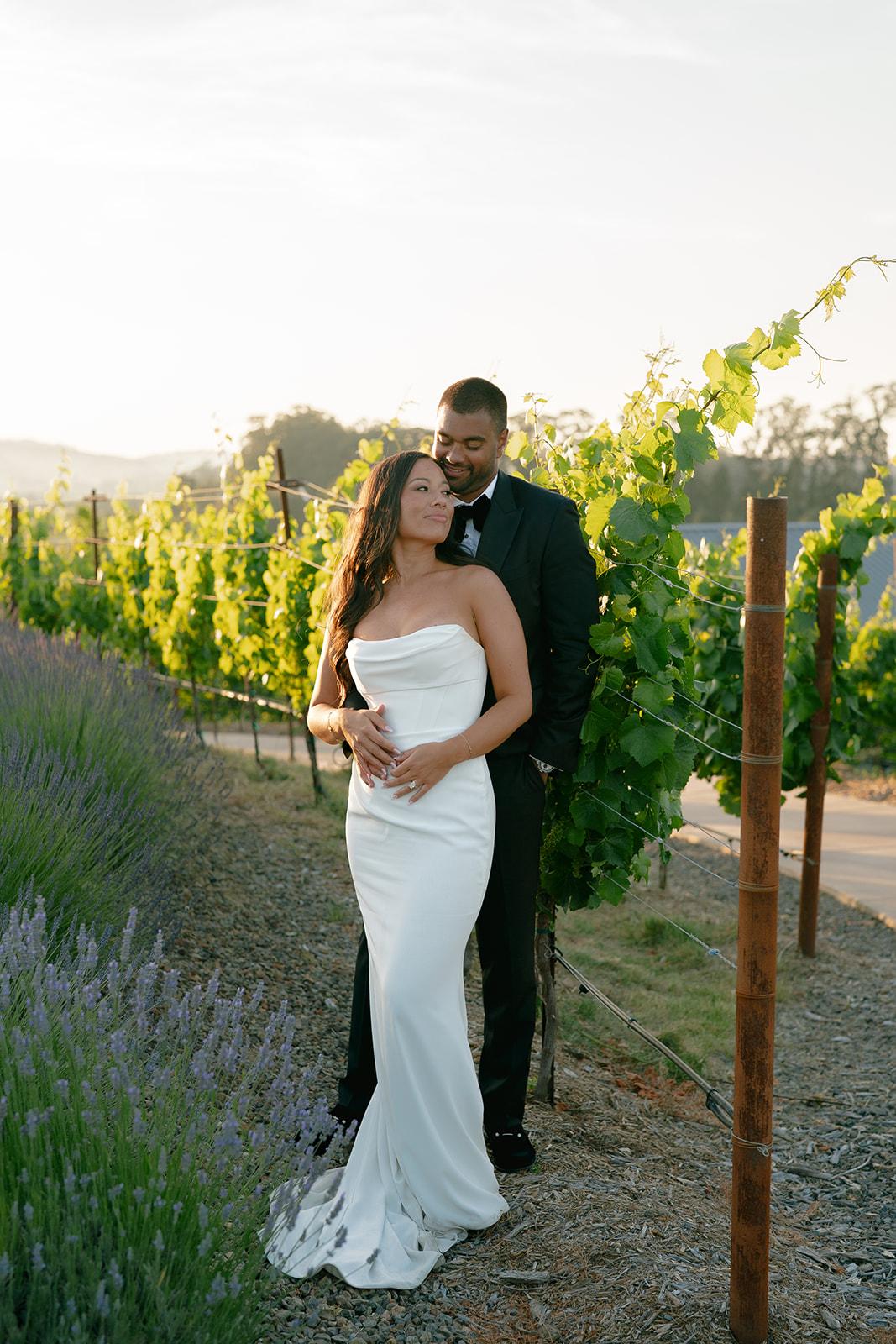
A contemporary Wine Country wedding at Stanly Ranch, Auberge Resorts Collection, Napa Valley, featuring event planning by Big Day (of), floral design by LC Floral Design, and photography by Elizabeth Warrick. Originally featured on Style Me Pretty, September 4, 2026.
At Stanly Ranch, California’s natural landscape is only part of the attraction. Thoughtfully designed architecture gives the celebration its own stage, allowing the surroundings to complement the wedding rather than compete with it. A restrained palette of white florals and greenery, sophisticated outdoor dining, and a rather fabulous surprise after-party demonstrate just how far Wine Country weddings have come from their rustic beginnings.
A Ceremony Backdrop with Architectural Advantages
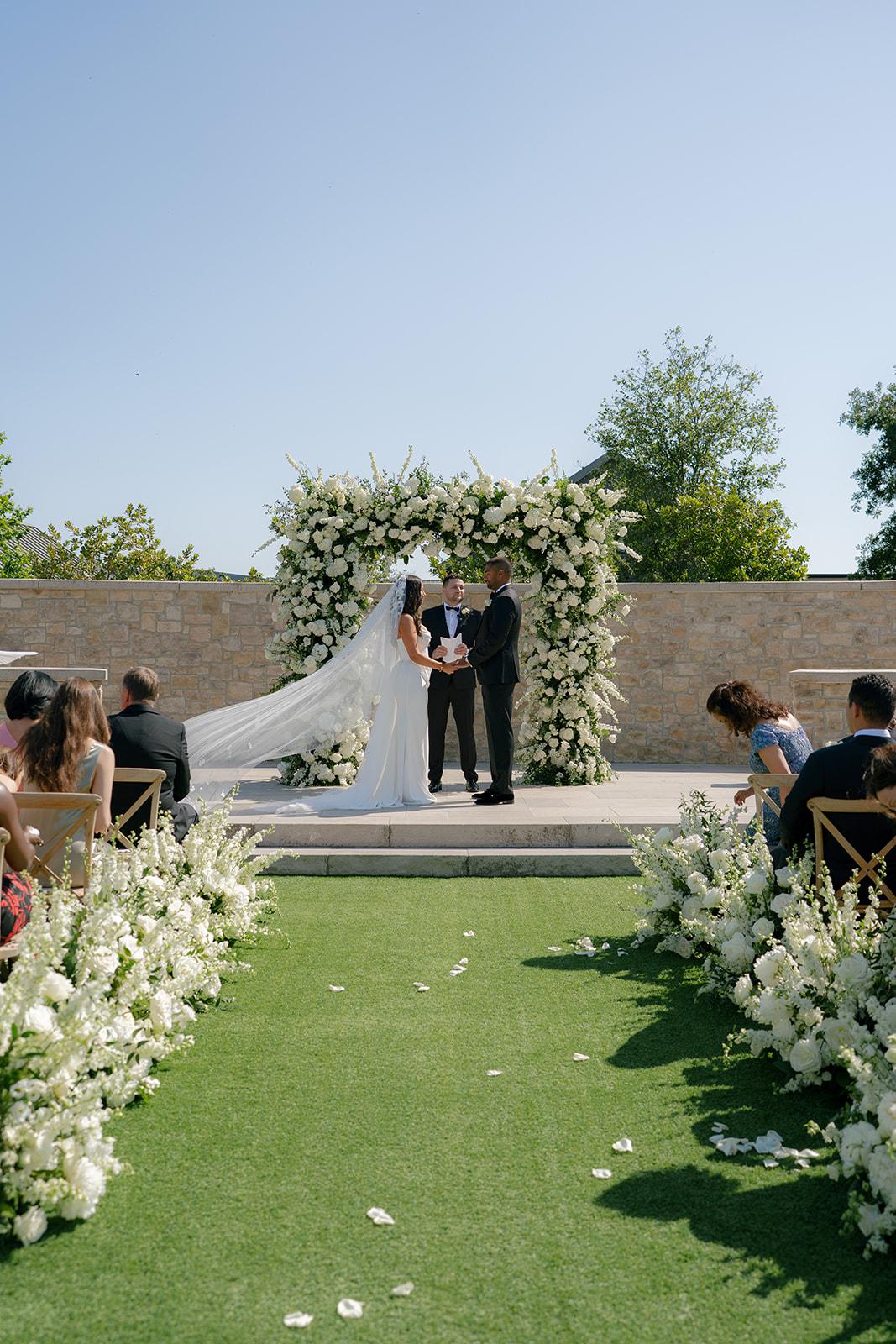
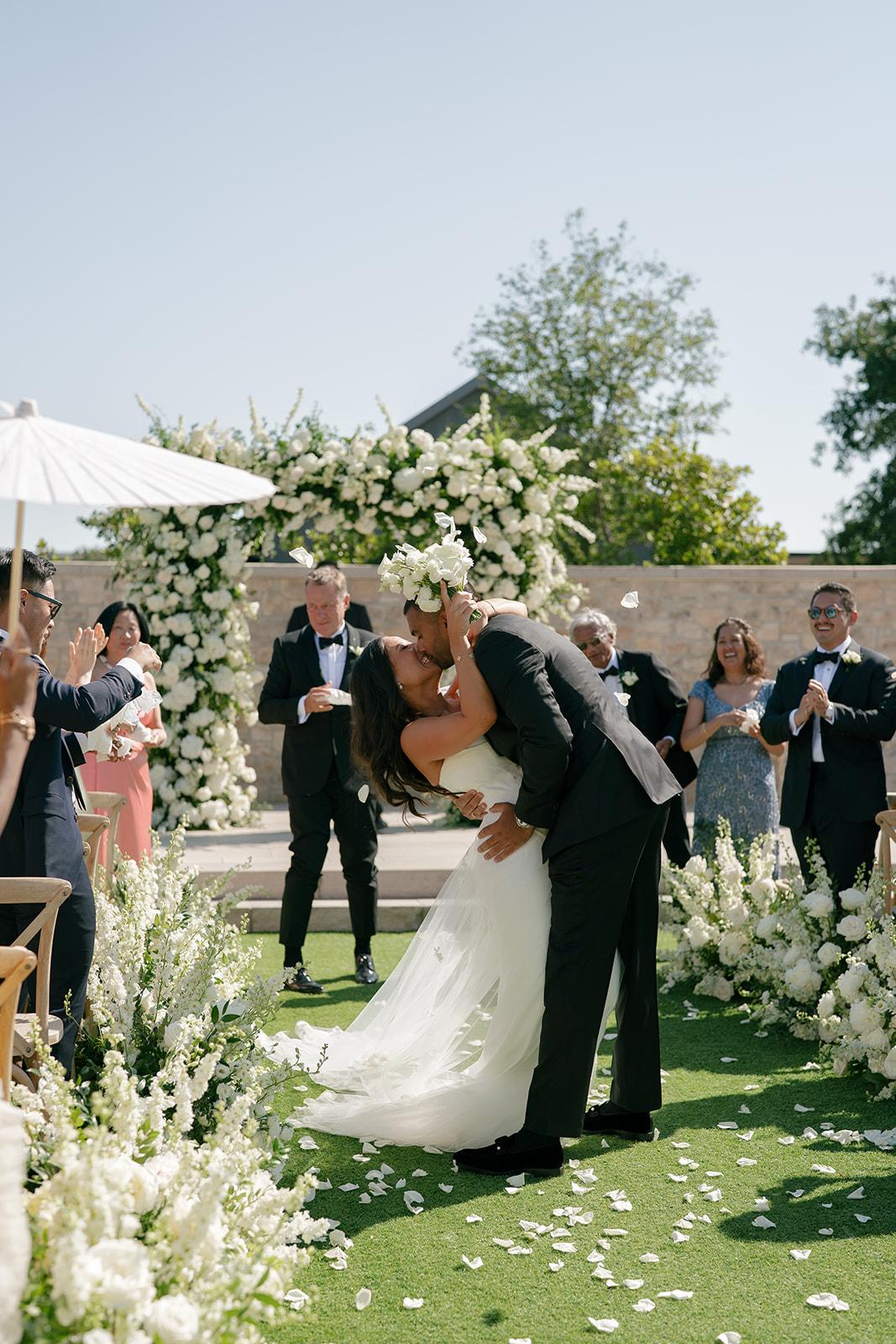
Consider the ceremony. Instead of placing an arbor in the middle of an enormous lawn and hoping the florals can compete with several acres of landscape, the design brings the ceremony into focus with an architectural setting and a lush floral-framed altar. The greenery and white blooms soften the surroundings without competing with them. And this is where architecture becomes an important part of wedding design.
A defined backdrop creates a focal point, helps establish scale, and gives photographers a composition that isn’t entirely dependent on the landscape. For floral designers, it can also mean creating impact within a more manageable area rather than trying to fill an impossibly large outdoor canvas. More flowers don’t necessarily make a better wedding. Sometimes they simply need a better place to stand.
The Cocktail Terrace: A Love Letter to Beautiful Shoes
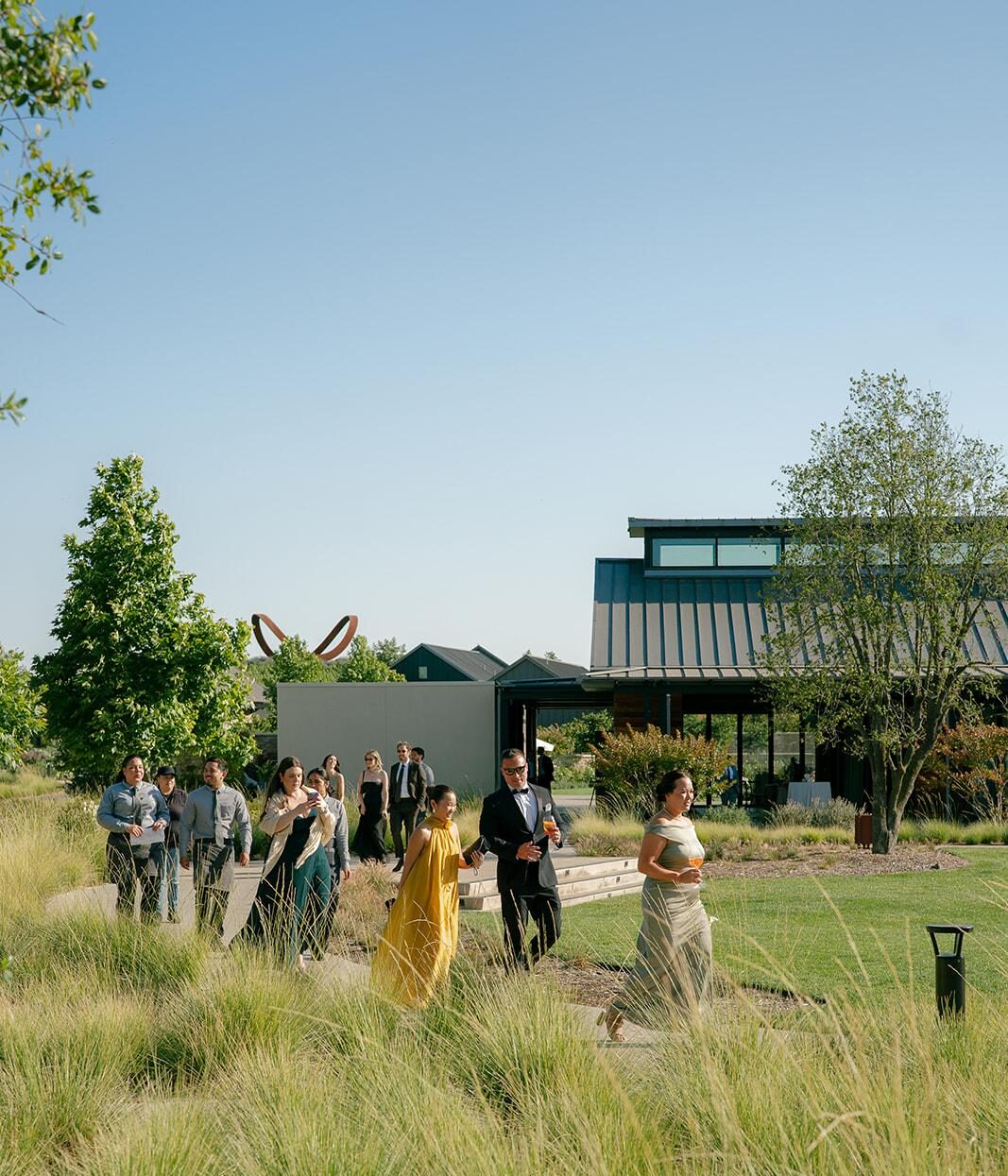
One of the most welcome changes in modern Wine Country venues has surprisingly little to do with flowers. It’s the walking surfaces. Yes, those gravel driveways, bark-covered paths, and expansive lawns look gorgeous in photographs. They’re considerably less charming when you’re trying to navigate them in four-inch heels.
Stanly Ranch’s Glasshouse Barn terrace provides a beautiful example of how purpose-designed entertaining spaces improve the entire guest experience. A terrace adjoining the celebration creates a natural setting for cocktails. Add an inviting bar, comfortable lounge furnishings, a few well-positioned umbrellas, and guests have somewhere elegant to gather without another major construction project. No temporary flooring to disguise. No elaborate setup in an inconvenient corner of the property. And significantly fewer casualties among the footwear.
For couples, these details might seem secondary during a venue tour. For planners, they can affect everything from rental costs to guest comfort and event flow.
The Farm Table Has Grown Up
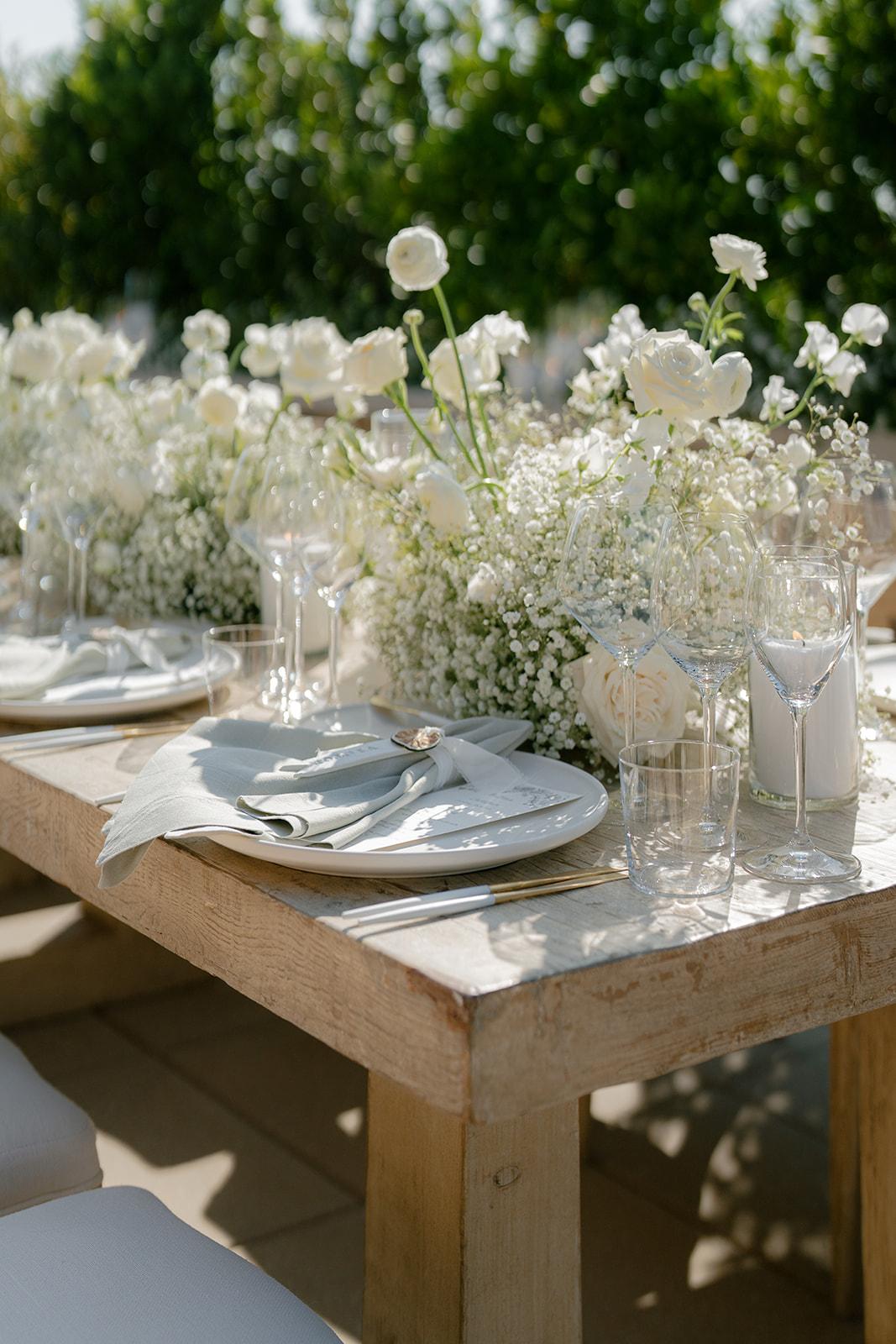
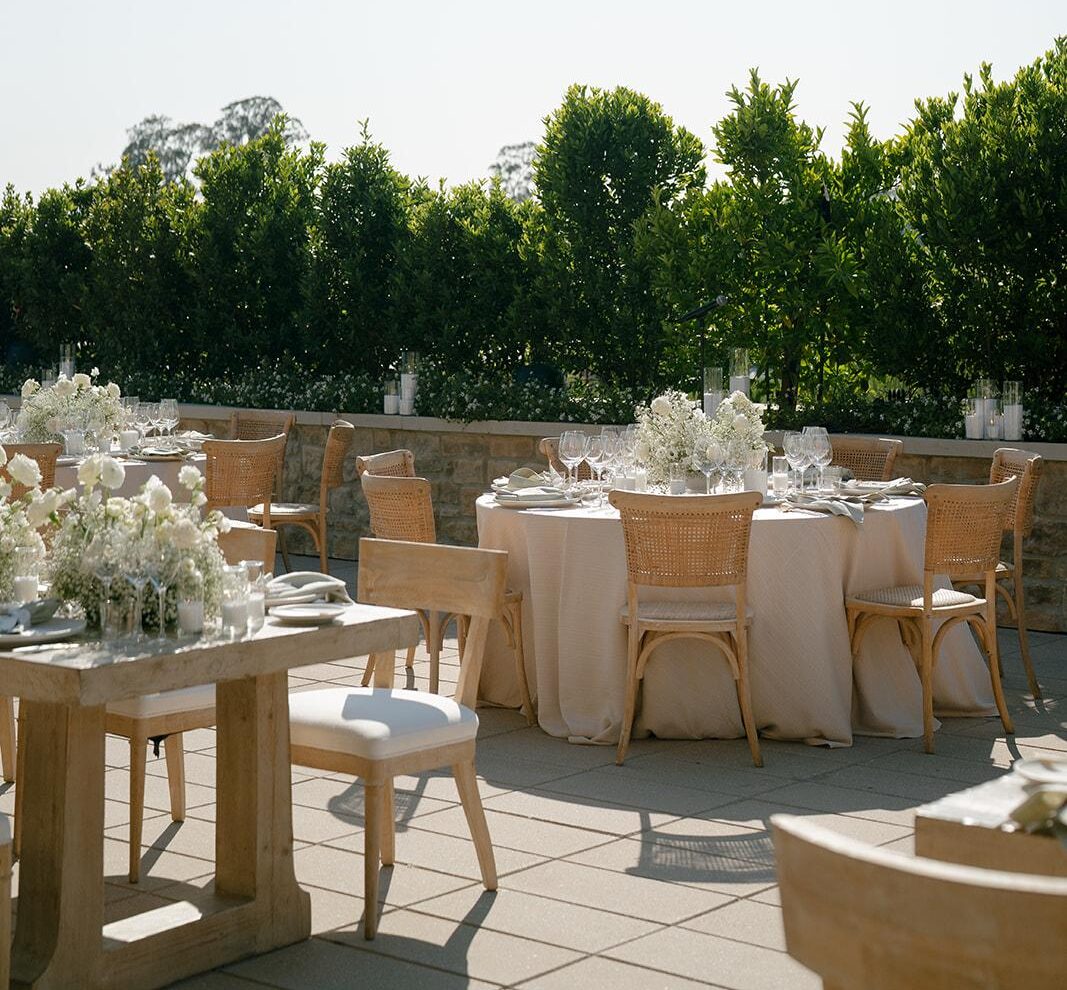
Remember when practically every Wine Country wedding featured the same heavy, distressed farmhouse tables? They had their moment. Quite a long moment, actually. Today, the familiar wooden dinner table has acquired some considerably more sophisticated cousins.
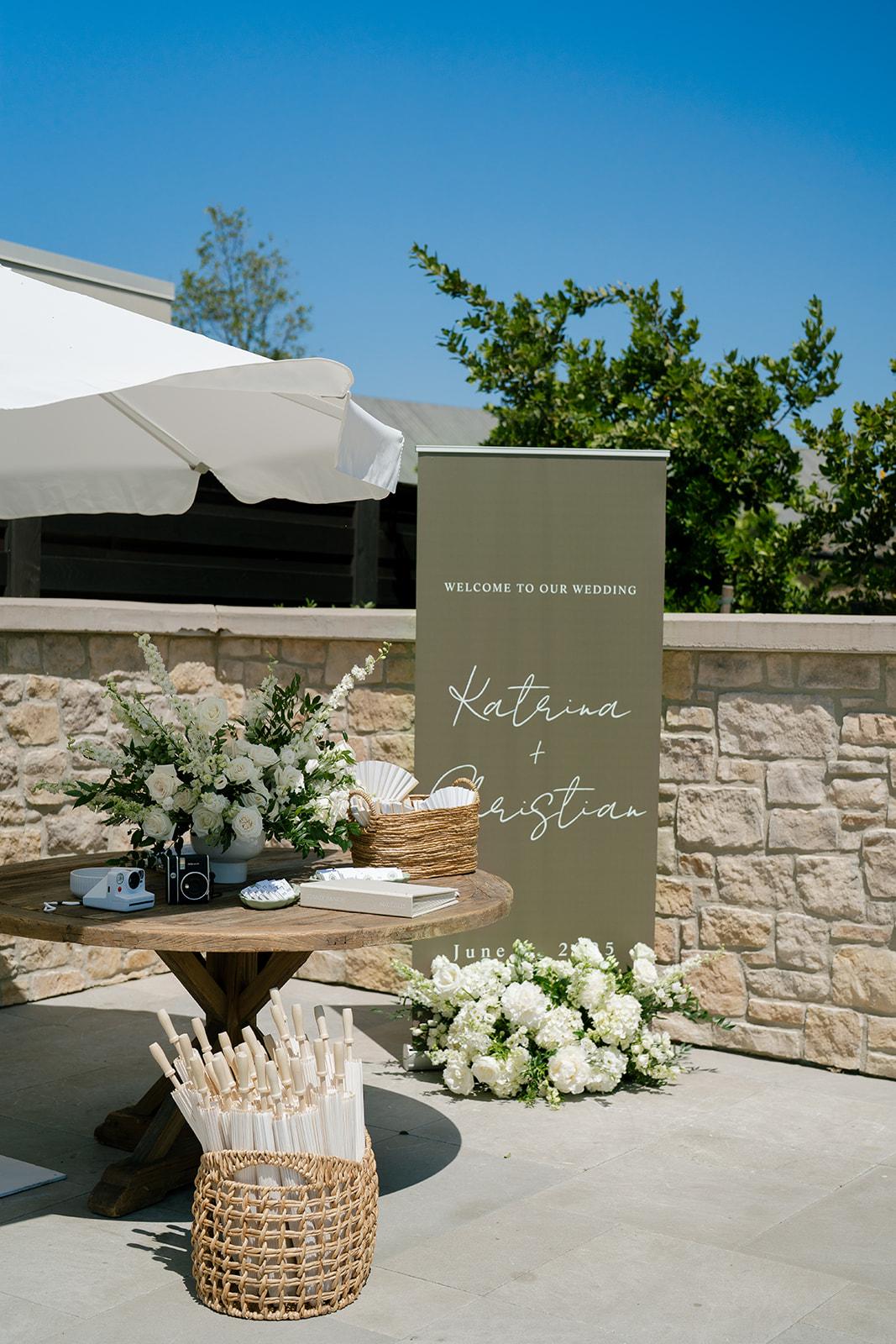
Cleaner lines. Architectural bases. Smoother finishes. A hint of midcentury-modern influence. Still warm and welcoming, but considerably less barn. At Stanly Ranch, long wooden tables were styled with sage-colored napkins, white flowers, natural textures, and candlelight. Nothing was fighting for attention. The furnishings complemented the architecture, and the landscape supplied the atmosphere.
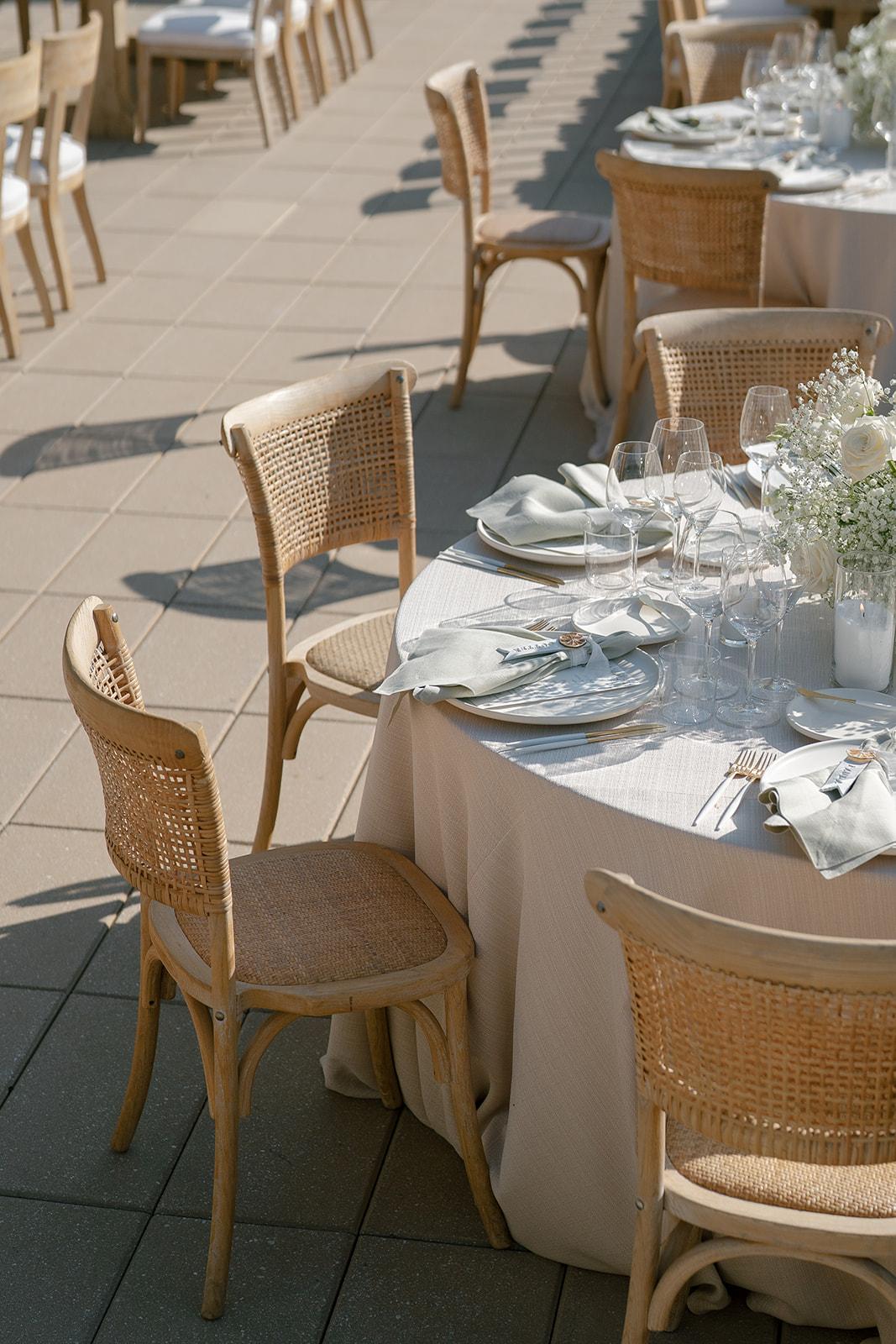
The same evolution is happening with wedding chairs. The traditional natural-wood folding chair has given way to an expanding collection of cross-back styles, woven seats, upholstered options, and more tailored finishes. What once felt like a specialty rental is now familiar enough to appear in many venue furniture collections.
It’s a reminder that sophisticated design isn’t always about spending more. Sometimes it’s about choosing better. And can we give a little overdue appreciation to the supporting cast? Welcome tables, guest-book displays, bars, and cake tables are no longer doomed to a life beneath inexpensive banquet linens.
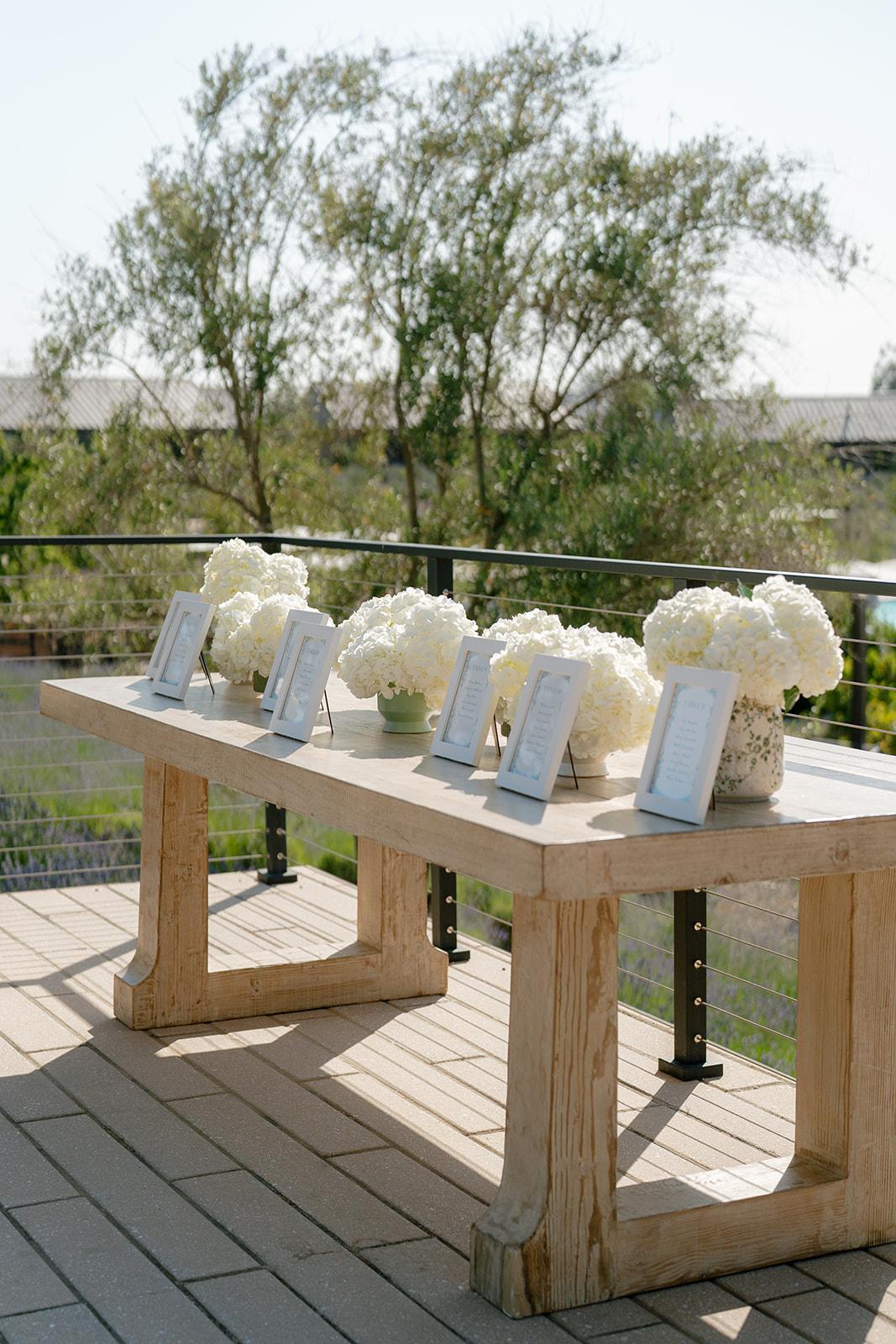
Today’s rental companies offer consoles, sculptural pedestals, architectural bars, and decorative shelving in enough shapes and finishes to make even the smallest functional area feel intentional. For this particular Stanly Ranch celebration, the published vendor credits include BBJ La Tavola, Found Rental Co., Encore Event Rentals, Napa Valley Linens, and Theoni Collection, among others.
The larger story is that rental design has matured. A wedding can now feel beautifully furnished rather than simply equipped.
Cass Winery: The Oak Tree Gets a Very Stylish Makeover
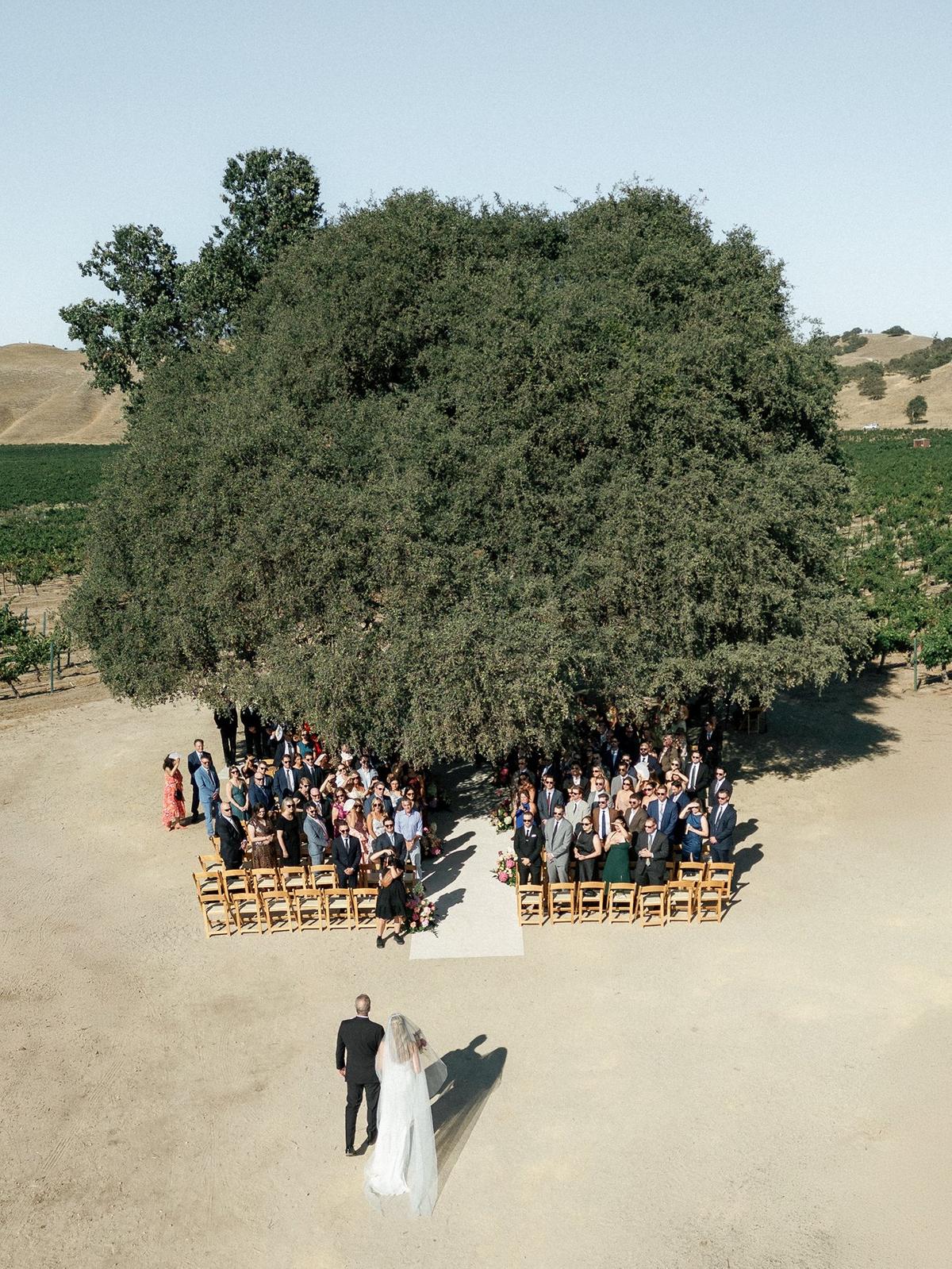
Cass Winery, Paso Robles | Event design by Heyday Weddings & Events, floral design by Flowers by Kim, and photography by Chantel Safford. Originally featured on Style Me Pretty, July 9, 2026.
Who knew an old oak tree could look quite this glamorous? At Cass Winery in Paso Robles, a magnificent oak gets a spectacular makeover as flowing fabric and colorful, garden-inspired florals climb its textured trunk and weave through its sprawling branches. Rather than simply decorating beneath the tree, Heyday Weddings & Events and Flowers by Kim transform it into a living, three-dimensional installation, bringing color, movement, and a little European garden romance to a quintessential California Wine Country setting.
The tree has always been the star of the landscape. Now it’s dressed for the occasion.
The Oak Tree Is No Longer Just the Backdrop
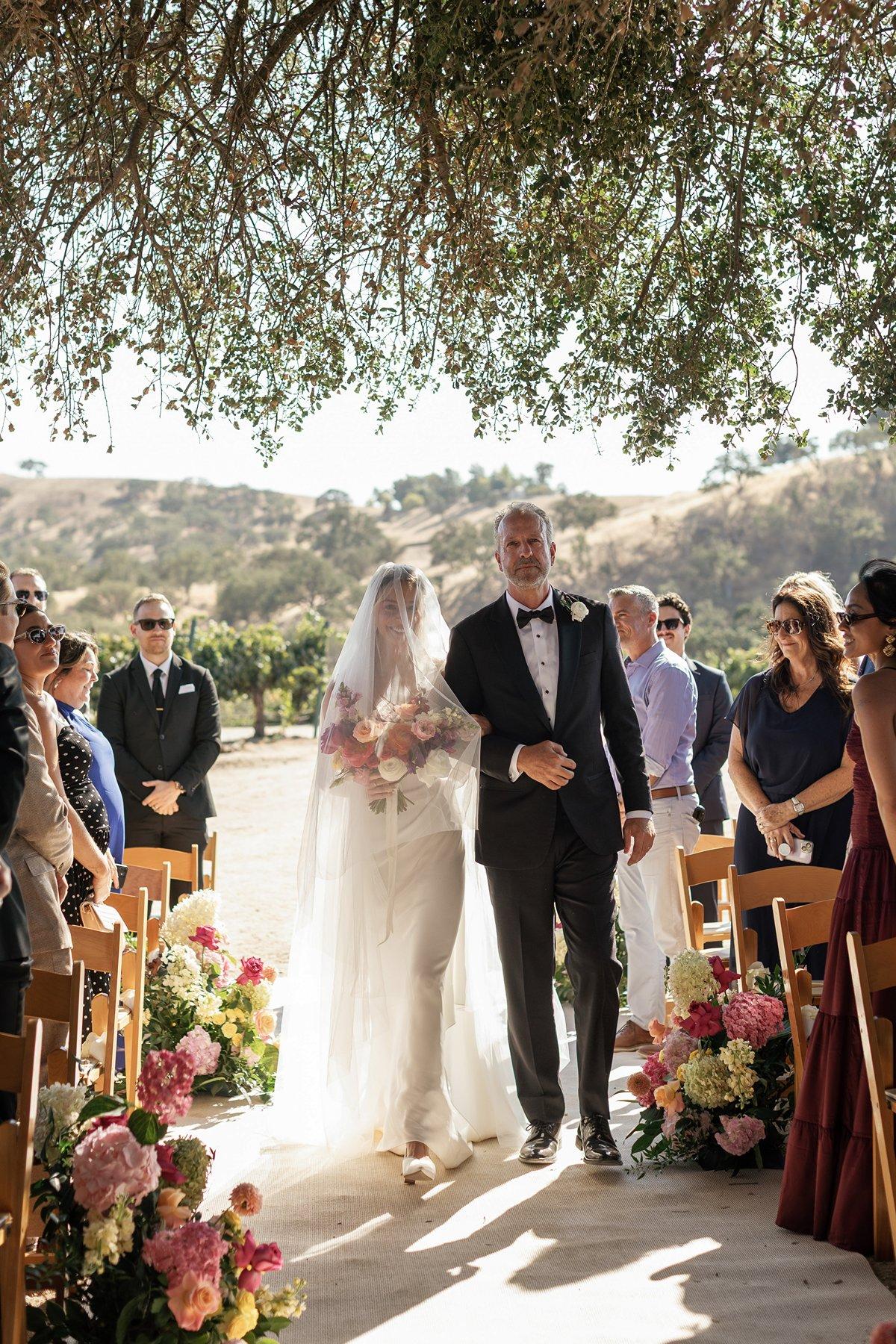
The grand old oak has been a California winery wedding favorite for decades. It’s romantic, distinctive, and offers something no rental company can deliver: genuine age, character, and scale. But traditionally, an oak-tree ceremony often meant placing an arbor beneath the branches, adding two flower arrangements, and lining up the chairs. Done.
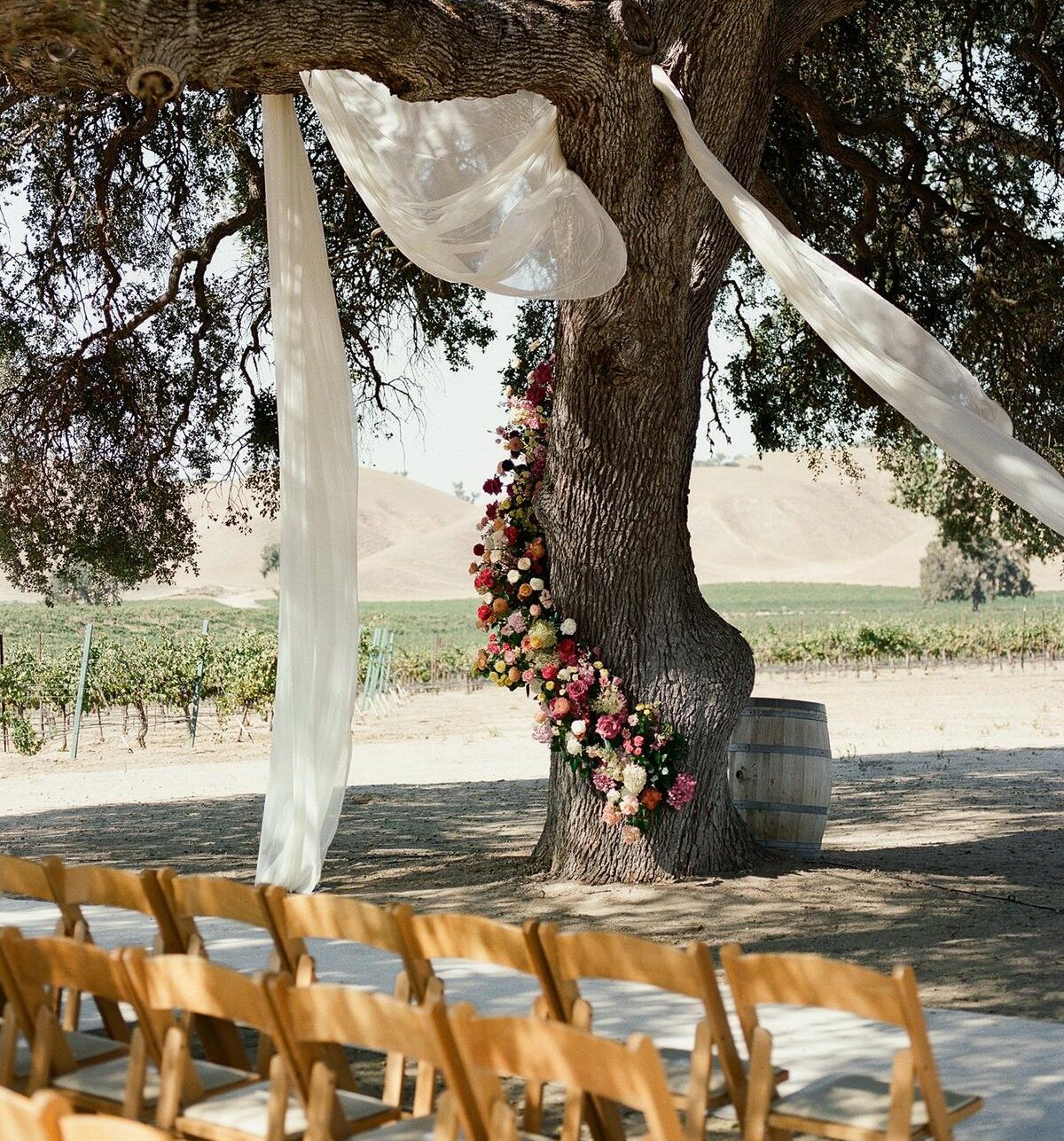
At Cass Winery, the designers approached the tree differently. Instead of simply decorating in front of it, they used airy draping and loose, garden-inspired florals to work with its natural form. Flowers appeared to grow around the trunk, introducing layers of movement, color, and dimension. Soft fabric contrasted with the bark, while the floral arrangements established a romantic focal point within the surrounding landscape.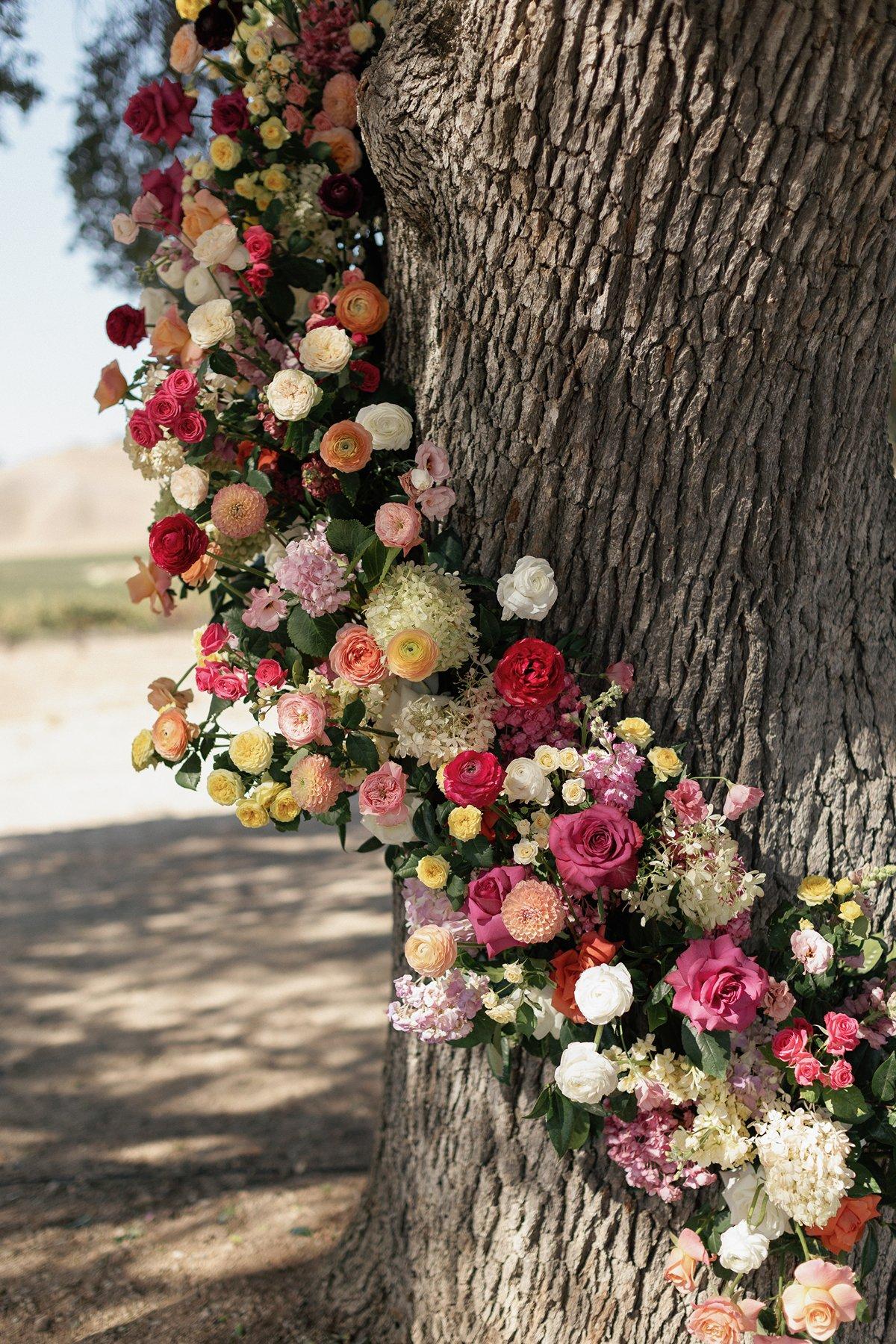
And that’s a particularly clever decision from a photographic standpoint. Dark, heavily textured tree bark can be visually demanding. Adding lighter textures and colorful flowers helps create separation between the ceremony and its surroundings. The oak tree doesn’t disappear behind the decorations. It becomes part of the installation. For couples and planners, that’s a wonderful lesson in working with a venue’s most distinctive features rather than importing an entirely unrelated design concept.
Beyond Blush: Bringing Color Back to the Vineyard
We love a beautiful monochromatic wedding. Cream, champagne, and blush can be incredibly romantic. But how much pale pink can one vineyard reasonably accommodate?
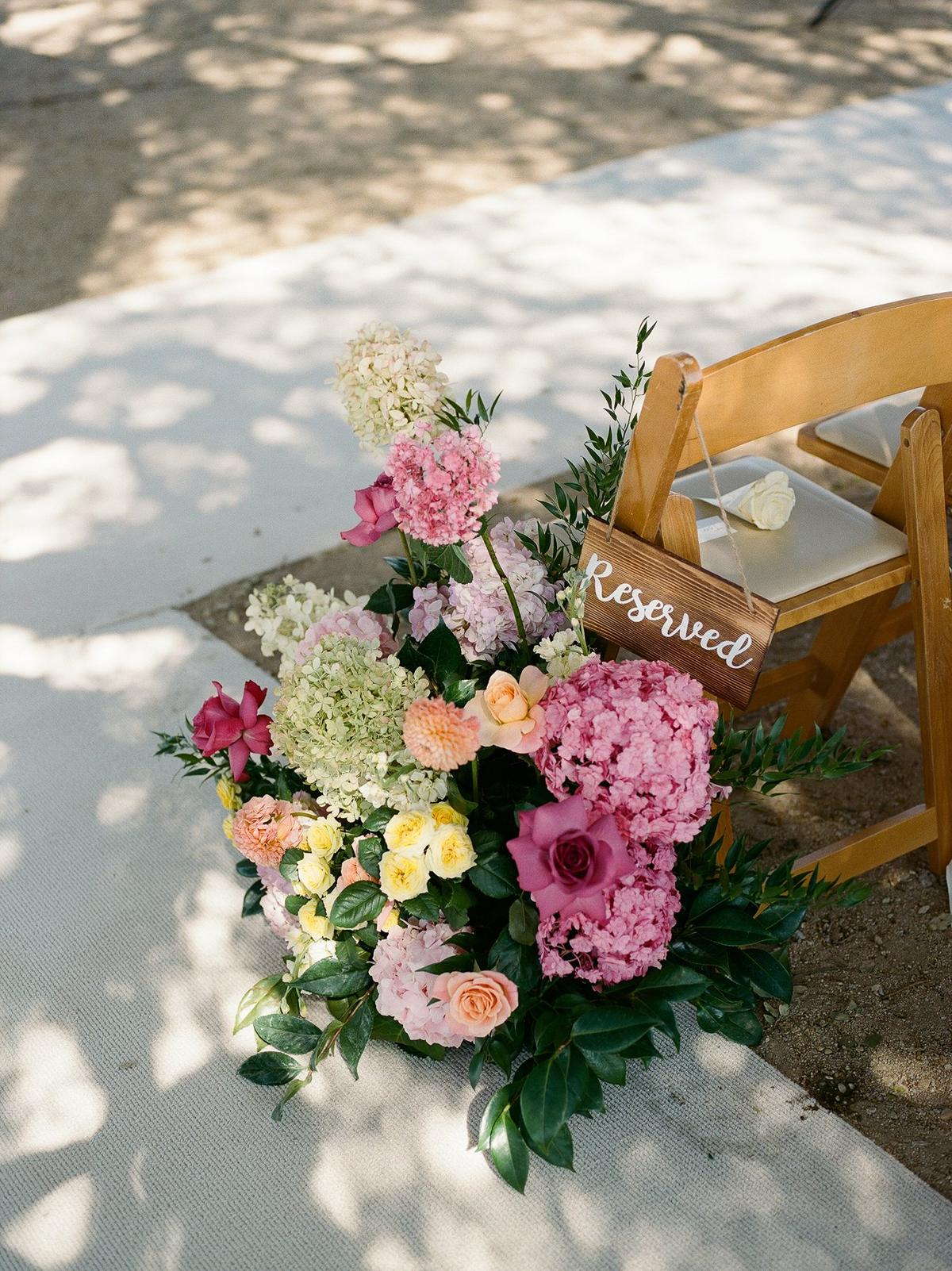
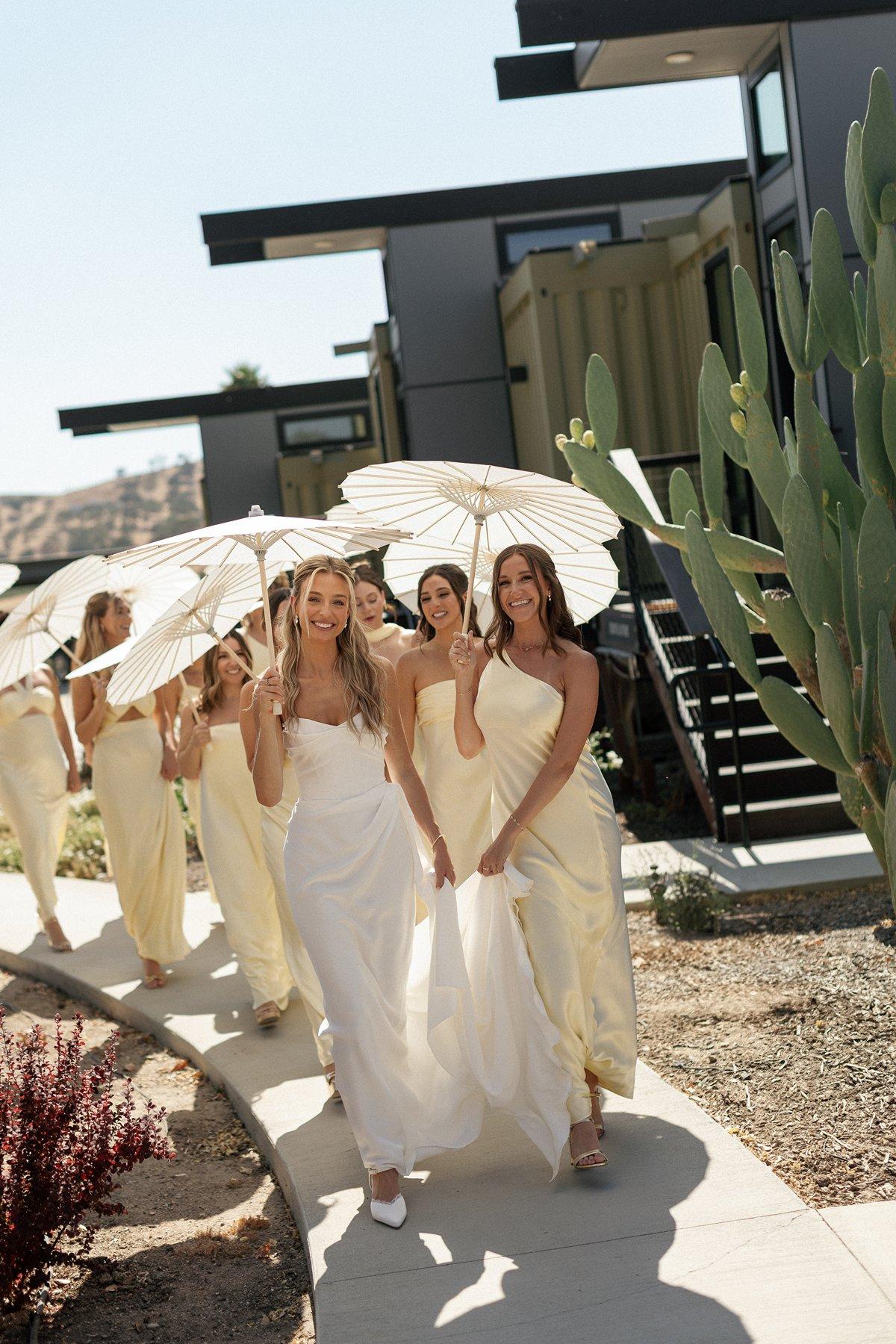
At Cass Winery, the floral design incorporated garden roses, ranunculus, and seasonal blooms in layered tones, creating arrangements that felt painterly rather than tightly arranged. Soft butter-yellow bridesmaid dresses added warmth, while draped linens, delicate tabletop details, and candlelight carried the romantic palette into the reception.
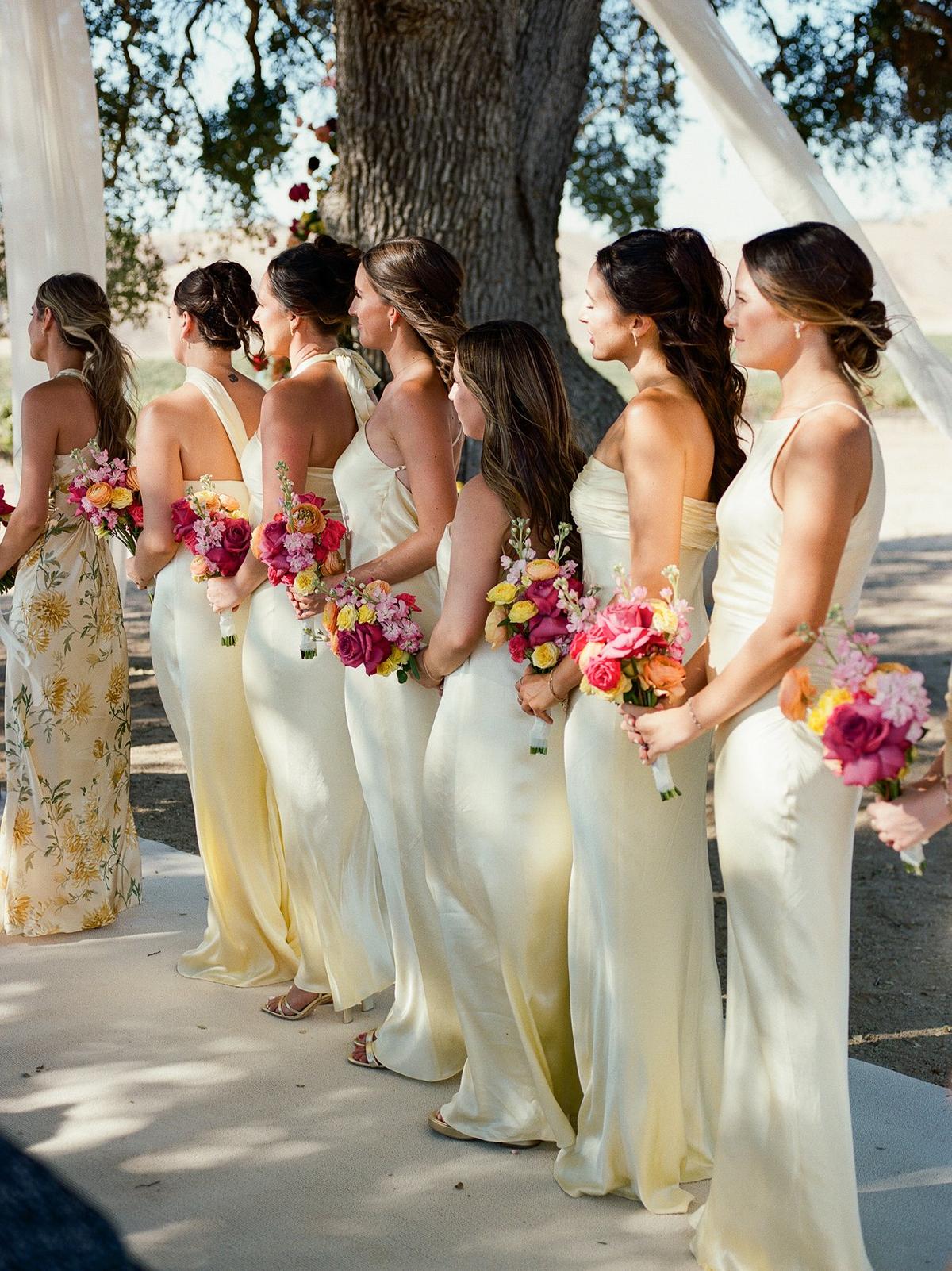
It was color with restraint. And in a landscape dominated by green vines, golden grasses, and dark oak trees, those lighter and brighter details became especially effective. Color doesn’t need to overwhelm a Wine Country wedding. Sometimes it simply needs to give the eye somewhere interesting to land.
European Garden Romance Meets Contemporary California
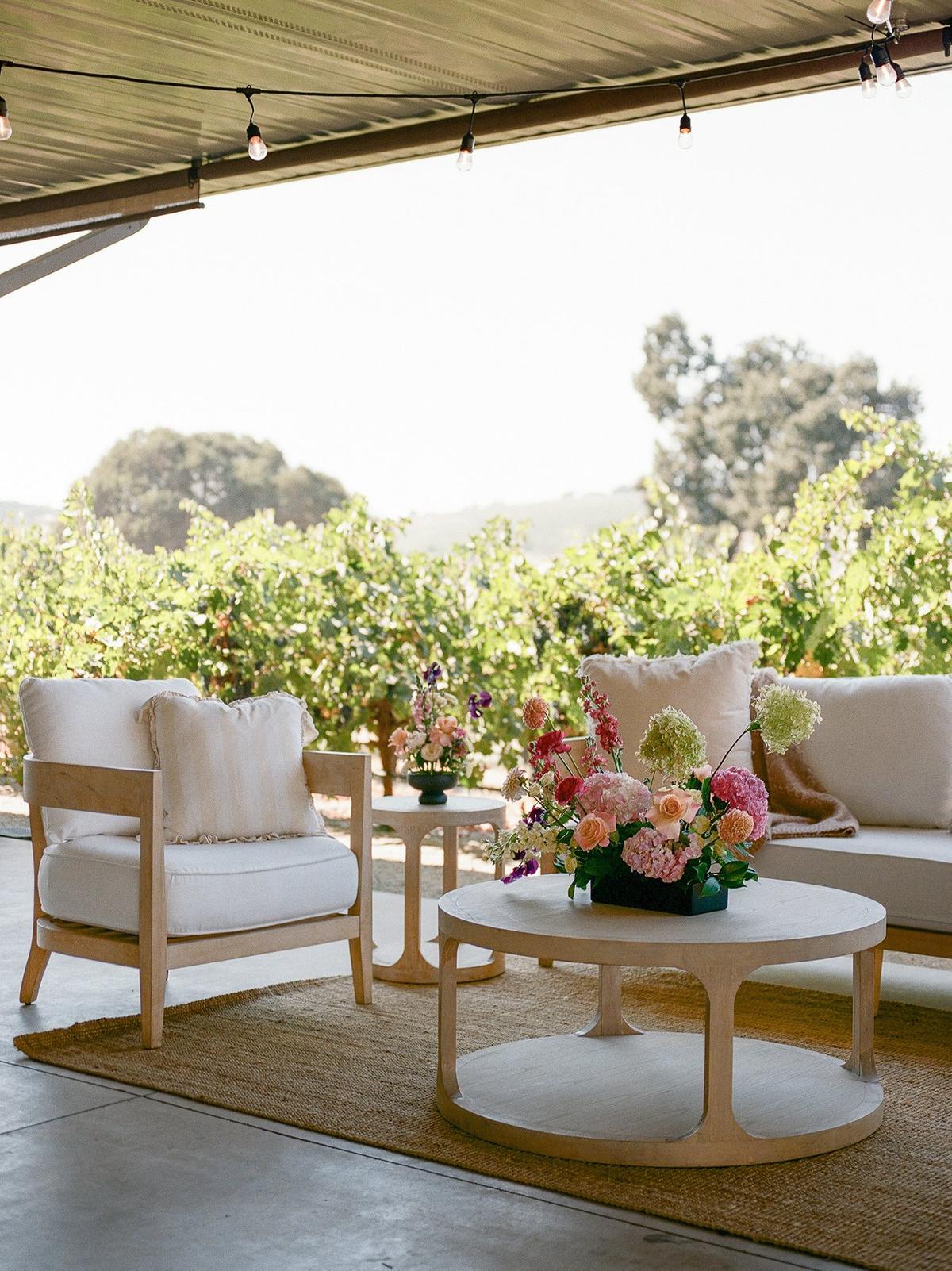
One of the most interesting details about this wedding is the way the furnishings resist the traditional vineyard aesthetic. This wasn’t barn chic. Instead, the design introduced a lighter, more collected look, combining soft textiles, warm metallic accents, delicate place settings, and organic floral arrangements.
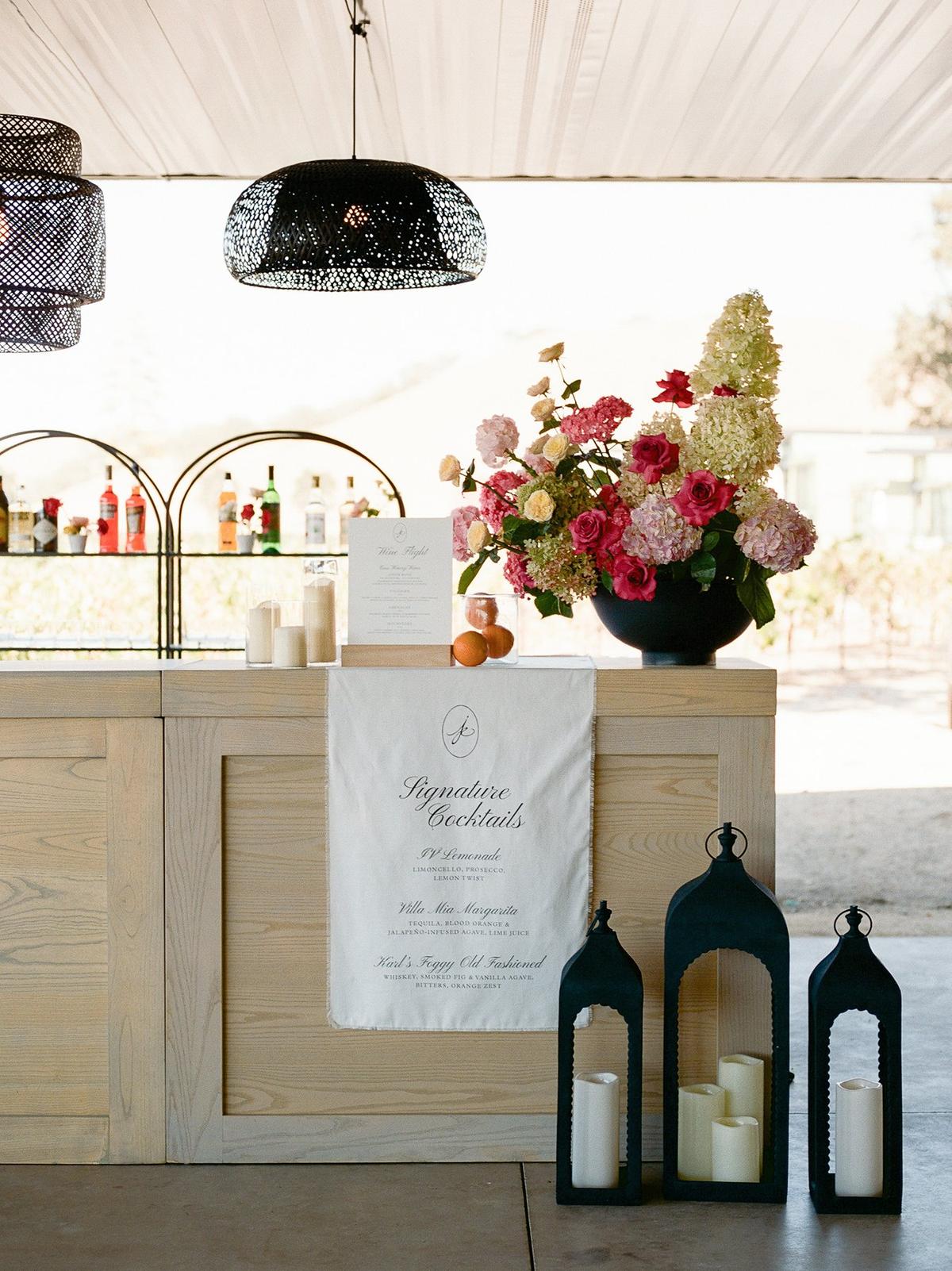
The result was closer to European garden romance with a contemporary California accent. Hand-torn menus, gauzy napkins, varied glassware, and softly glowing votives made the tabletop feel layered and personal rather than overly matched. At the same time, the reception’s barrel-room surroundings and overhead wagon-wheel chandeliers supplied a more substantial architectural contrast.
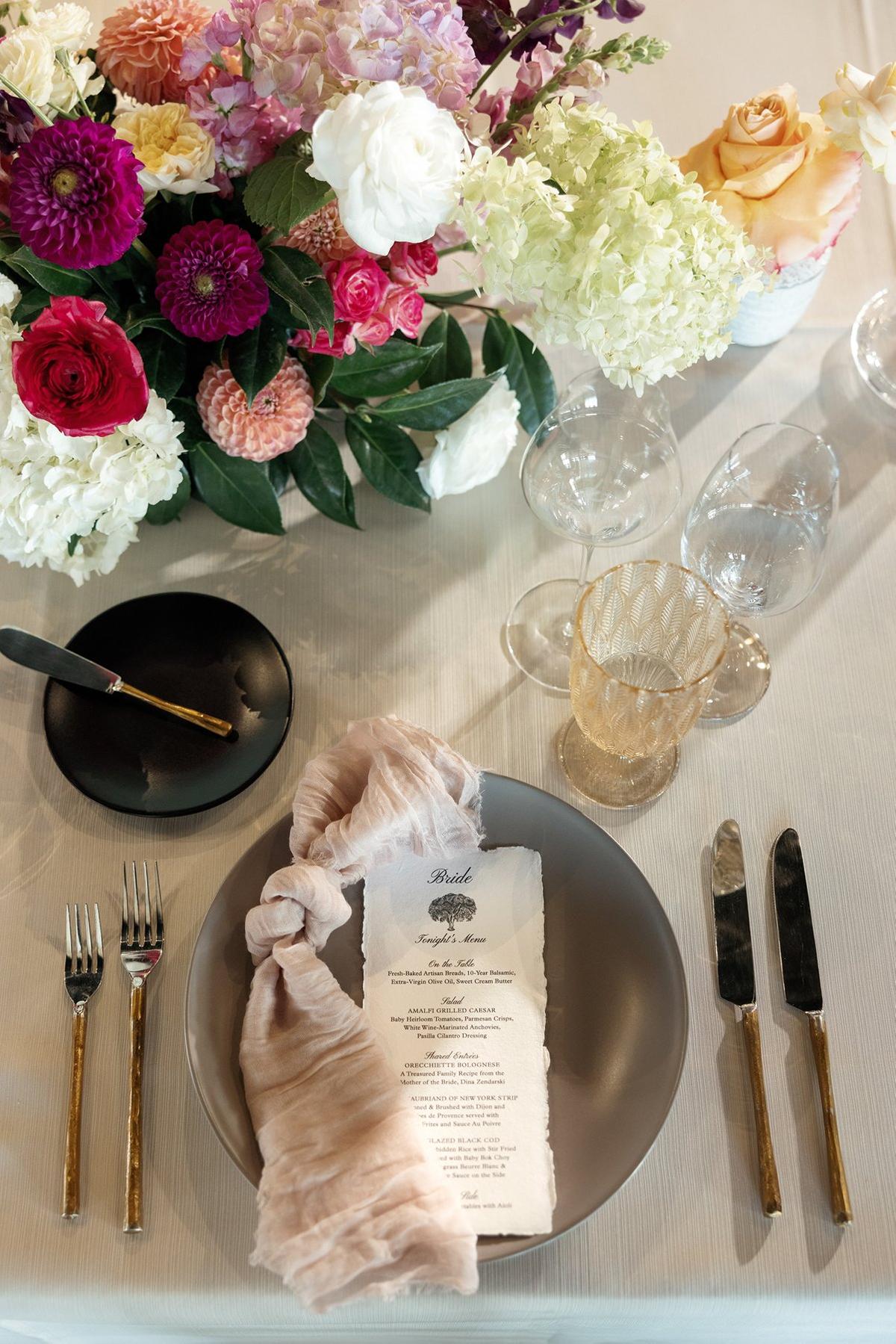
It’s that combination of styles that keeps the overall design interesting. The romance comes from the softness. The sophistication comes from the balance. Rental partners credited for the celebration include Bright Event Rentals, All About Events, BBJ Linen | La Tavola Linen, and Draping by Kim.
These companies are part of an industry that has made a far broader range of furniture, finishes, fabrics, and lighting available to wedding designers. And that means couples are no longer limited to choosing between rustic and formal. There’s a whole lot of beautiful territory in between.
What Modern Wine Country Wedding Design Means for Your Budget
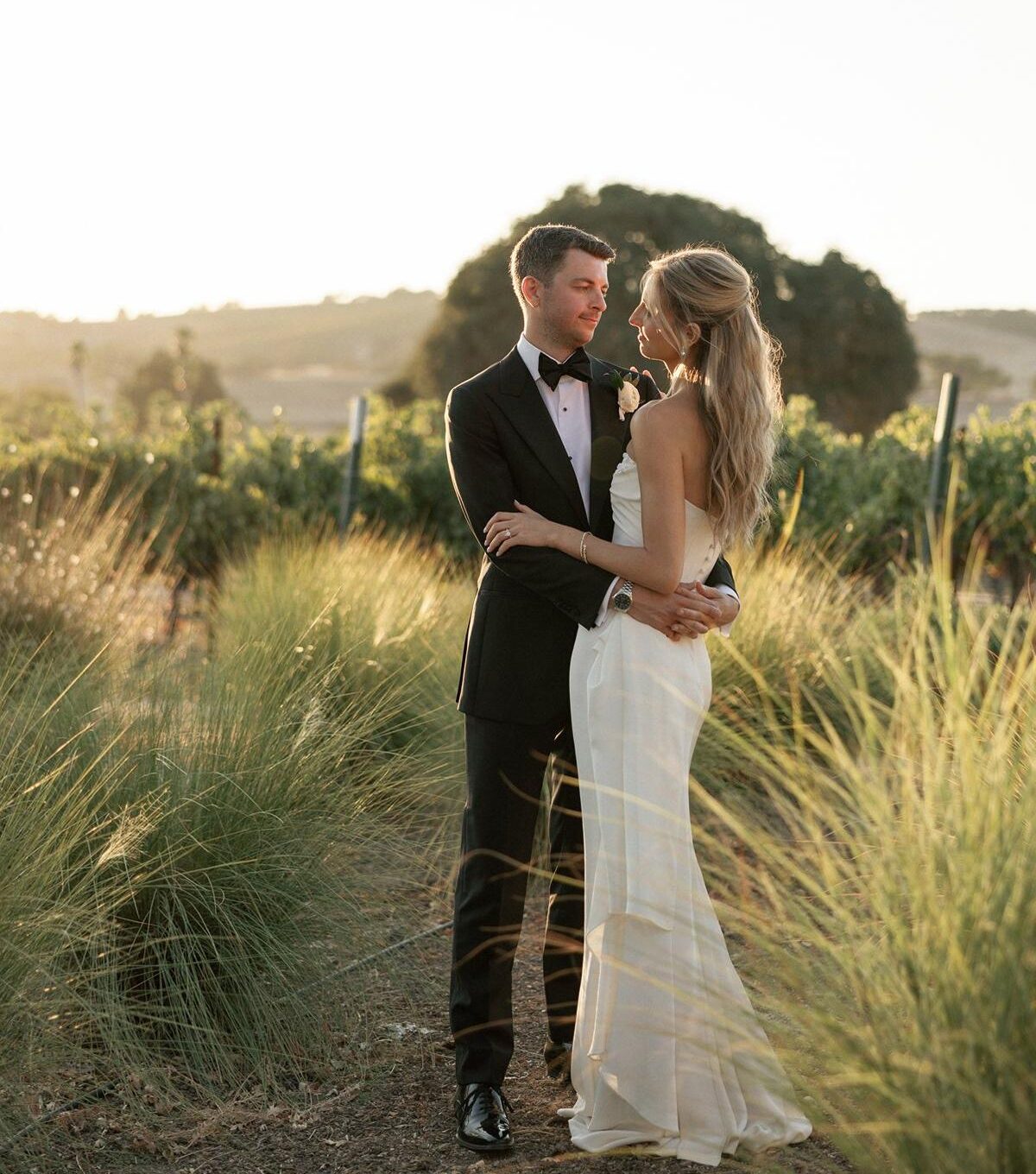
Here’s something worth remembering as you tour wedding venues throughout Napa Valley, Sonoma County, and Paso Robles. A venue that has already invested in beautiful event spaces and quality furnishings may give your designer a significant head start.
An architectural ceremony setting can reduce the need for freestanding decorative structures. An attractive terrace can eliminate some temporary flooring or infrastructure requirements. Included dining tables and chairs may allow more of the budget to go toward flowers, lighting, food, and guest experiences.
Of course, none of these features automatically makes a venue less expensive. Rental packages, labor requirements, food-and-beverage minimums, and production restrictions still matter. But the question is no longer simply, How beautiful is the property? It’s also, How much work—and money—will it take to create the wedding we envision here? For planners, this means evaluating the architecture, circulation, rental inventory, power access, and service arrangements alongside the aesthetic possibilities. For couples, it means understanding that a beautiful venue photograph is only the beginning of the conversation.
Wine Country Weddings Are Evolving. The Romance Isn’t Going Anywhere.
California Wine Country continues to hold a special place in the wedding world. The Wedding Report estimates that Napa County alone saw approximately 1,459 weddings and $73 million in wedding spending during 2025. Those figures represent the county’s broader wedding market, not winery weddings specifically, but they help illustrate the significance of celebrations in the region.
And while the next generation may be drinking less wine, the landscapes and hospitality experiences associated with Wine Country remain compelling ingredients for a wedding. The difference is in how couples and designers are choosing to use them. At Stanly Ranch, architecture, sophisticated furnishings, and an understated palette create a contemporary interpretation of Napa luxury. At Cass Winery, an old oak tree, flowing fabric, garden-inspired flowers, and layered European details create a completely different experience.
One is restrained and architectural. The other is romantic and expressive. Both belong beautifully in California Wine Country. And neither looks like it came straight from the vineyard wedding inspiration binder circa 2012. So yes, the mason jars may have been retired.The romance, however, is alive and well. Wine optional.
Discover more extraordinary California wedding locations in the IDo Venues Wedding Venue Directory, where we celebrate the architecture, landscapes, and creative possibilities that make every venue different.
About This Blog
 I Do Venues is a collaborative, editorial guide to California wedding venues – built with insight from wedding professionals who know these spaces beyond the highlight reel.
I’m Gloria, a longtime wedding industry professional, curating and contributing alongside planners, designers, photographers, and venue teams to help couples make venue decisions with clarity and confidence.